
CDO Magazine Announces Global Data Power Women 2026 CDO Magazine proudly announces the Global Data Power Women 2026, recognizing an exceptional group of women executives who are driving enterprise transformation through data, analytics, and AI. Selecte...
Leadership Summit – Toronto – Omni King Edward Hotel – May 21, 2026 Join top AI and Data leaders in Toronto to explore the strategies, governance, and innovations driving enterprise performance. Connect, learn, and gain actionable insights — reserve your seat today.
The State of AI Reliability: Why Trust Is Becoming the Biggest Barrier to Scaling AI AI adoption is accelerating across the enterprise, but reliability is lagging. In a new research report, The State of AI Reliability: Perspectives from Data & AI Leaders, CDO Magazine, in partnership...
US Federal News Bureau
White House Unveils National AI Legislative Framework to Guide Federal Policy

Written by: CDO Magazine
Updated 5:18 PM UTC, April 21, 2026
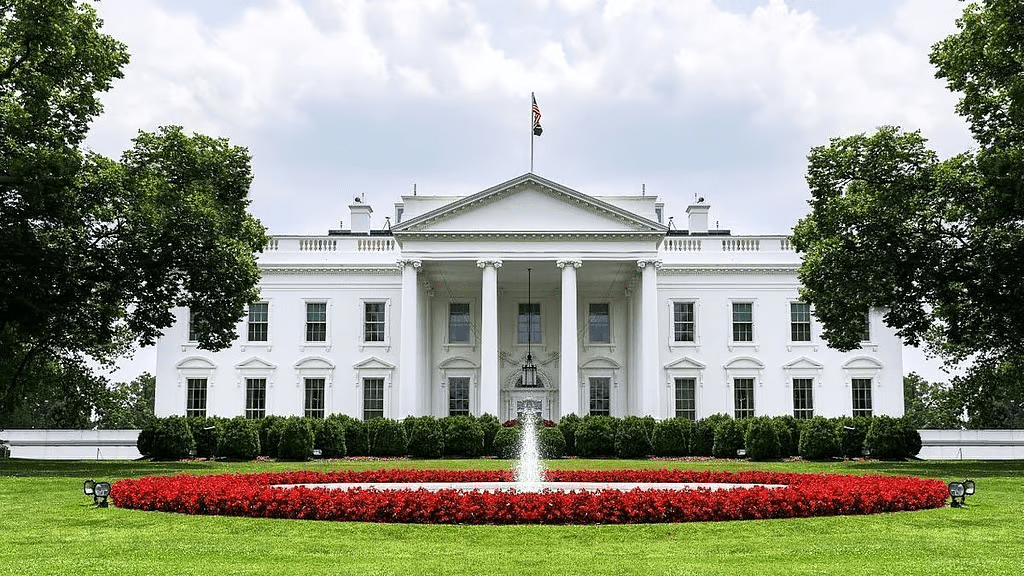
The White House has released a national legislative framework aimed at shaping federal artificial intelligence (AI) policy and guiding Congress toward comprehensive regulation.
Announced by Donald Trump on March 20, the framework outlines key priorities for AI governance, including child safety, intellectual property protections, free speech, innovation, workforce development, and national security.
“The Administration recognizes that some Americans feel uncertain about how this transformative technology will affect issues they care about, like their children’s well-being or their monthly electricity bill. These issues, along with other emerging AI policy considerations, require strong federal leadership to ensure the public’s trust in how AI is developed and used in their daily lives,” the White House said.
The proposal also calls for a unified federal approach that would preempt a patchwork of state-level AI laws.The framework emphasizes promoting U.S. competitiveness while maintaining a relatively light touch regulatory model.
It urges Congress to avoid overly burdensome rules that could hinder innovation, while still addressing risks such as harmful content, misuse of AI systems, and data privacy concerns.
A central component of the proposal is limiting conflicting state regulations, which the administration argues could slow AI development and create compliance challenges for businesses operating nationwide.
The recommendations are nonbinding and will require congressional action to become law. The administration said it plans to work with lawmakers to advance legislation aligned with the framework, positioning AI as a strategic priority for economic growth and global competitiveness.



 Elevate Your Personal Brand