
What Is a Chief Data Officer in 2026? Many people working within the data industry are saying the same thing: the role of the Chief Data Officer (CDO) has changed – but how? CDO Magazine began an expert survey to find out. We recent...
2026 CDO Report: Meet the Modern Data Team New survey of VP & C-level data and AI leaders confirms what’s stalling AI transformation.
The 6-Layer Operational Framework for Enterprise AI Agility What does AI agility mean? AI agility refers to how fast an AI system—and the organization behind it—can adapt to shifting data and market conditions. AI agility is all about speed and adaptability. I...
US Federal News Bureau
FBI Data Breach Highlights Risks in Third-Party Data Management

Written by: Tathagata Sen
Updated 11:34 PM EDT, October 6, 2026
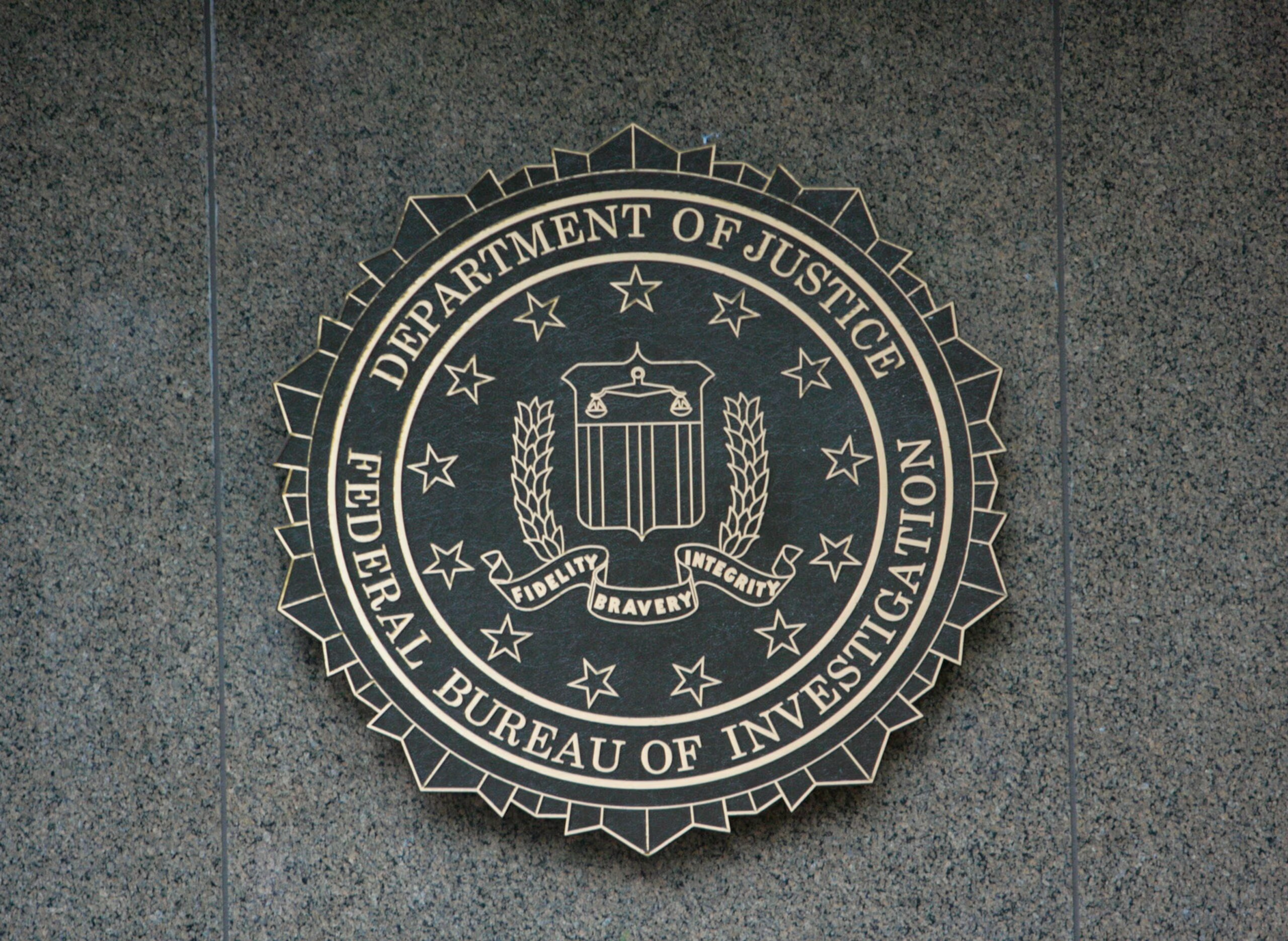
Photo credit: Unsplash.com
The Federal Bureau of Investigation (FBI) removed a contractor after a breach potentially exposed data belonging to thousands of bureau employees, Nextgov/FCW reported October 6.
The contractor worked for Accenture, which manages the FBI’s Oracle PeopleSoft human resources system.
The breach occurred because Oracle had issued a security patch for a known PeopleSoft vulnerability in June, but the contractor failed to apply it, leaving the system exposed.
Attackers exploited the unpatched vulnerability to access sensitive employee data, including addresses, phone numbers, spouse information, details on intelligence and surveillance roles, and private medical information.
The FBI said its review found a security failure on a platform managed by a third party contributed to the intrusion.
The bureau’s cyber chief confirmed the contractor’s removal but did not explain in detail why the required security control failed or how the bureau monitored the contractor’s work.
Third-Party Data Needs Stronger Oversight
The incident highlights a governance challenge for organizations that rely on vendors to manage systems containing sensitive information. Data leaders need visibility into which vendors can access data, what controls they are responsible for and how those controls are verified.
For chief data officers (CDOs), that means third-party governance needs to extend beyond contracts and access permissions. Organizations also need processes for monitoring vendor performance and confirming that safeguards remain effective over time.
Nextgov/FCW reported that the FBI’s review has not publicly addressed those questions.
Data Governance Must Extend Across Vendors
The breach shows why responsibility for sensitive data cannot end when an organization hands system management to an outside provider. Governance frameworks should define who is accountable for data protection, how vendor controls are checked and what happens when those controls fail.
For organizations managing sensitive personnel or customer information, these processes can help maintain visibility across systems and third parties. Strong data-management processes can provide a foundation for tracking ownership, vendor responsibilities and controls throughout the data lifecycle.



 Elevate Your Personal Brand