
Leadership Summit – Chicago – Renaissance Chicago Downtown Hotel – September 17, 2026 Join top AI and Data leaders in Chicago to explore the strategies, governance, and innovations driving enterprise performance. Connect, learn, and gain actionable insights — reserve your seat today.
Nominate Now | Top 30 Retail Data Changemakers 2026 Nominate for the Top 30 Retail Changemakers 2026, our annual recognition honoring visionary leaders who are redefining the retail landscape through data, AI, and analytics.
How to Become a Chief Data Officer A decade ago, relatively few organizations had a Chief Data Officer (CDO). Today, the role sits at the center of enterprise data, AI, and business transformation. What began as a role focused largely...
Community
Chicago Data Leaders Explore Whether Enterprise Data Is Ready for AI That Acts
As enterprise AI moves beyond answering questions toward taking actions on its own, data readiness takes on a different meaning.

Written by: Camille Prado, Global Editor, CDO Magazine
Updated 2:30 AM EDT, September 3, 2026
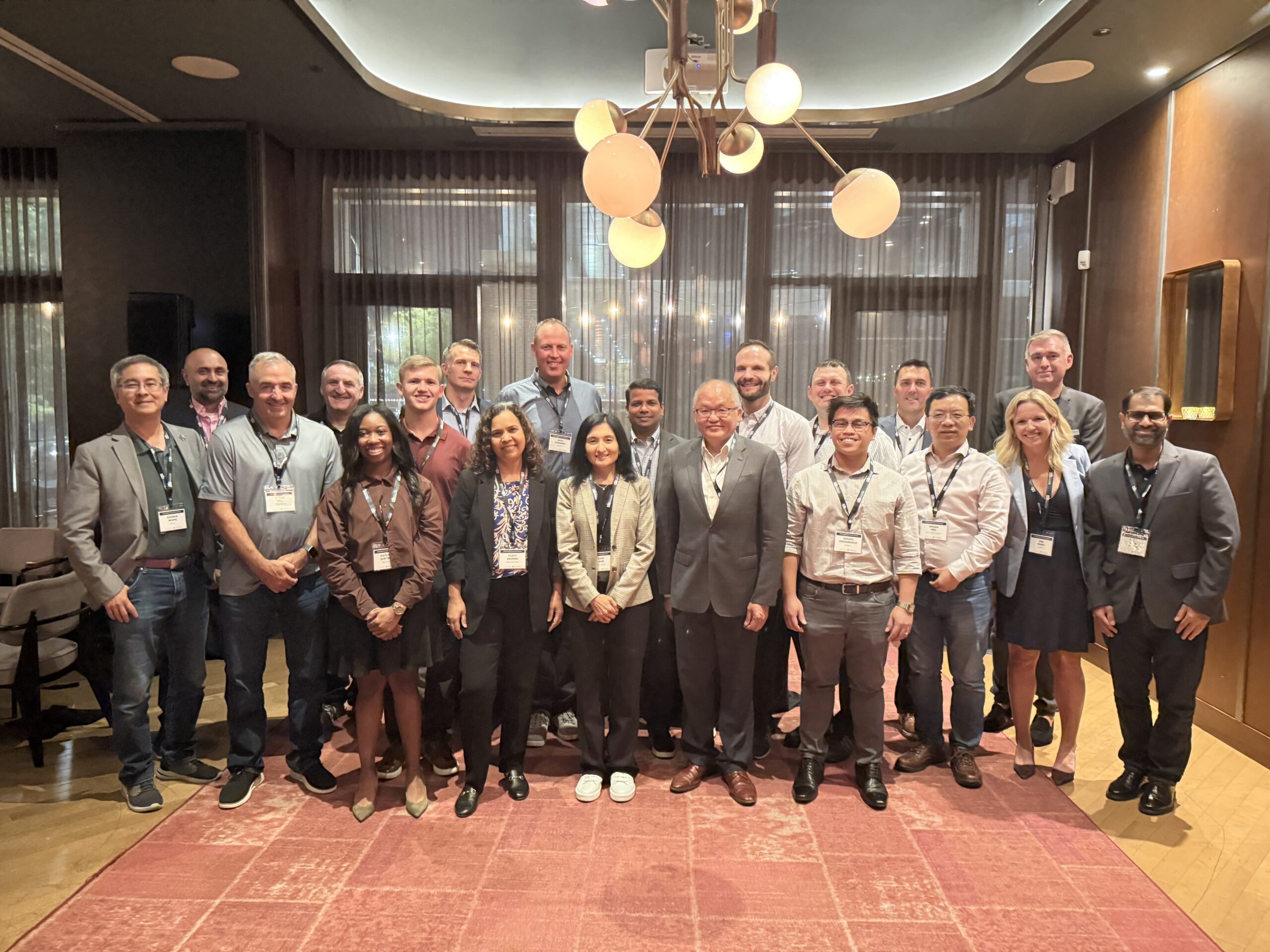
Data and AI leaders gather in Chicago for a CDO Magazine Executive Boardroom Dinner focused on preparing enterprise data for increasingly action-oriented AI.
CDO Magazine brought together data and AI leaders in Chicago on September 1 for an Executive Boardroom Dinner focused on what organizations need from their data as AI becomes increasingly action-oriented. Held at Swift & Sons, the evening convened executives from financial services, insurance, technology, and other industries for a peer discussion on AI readiness.
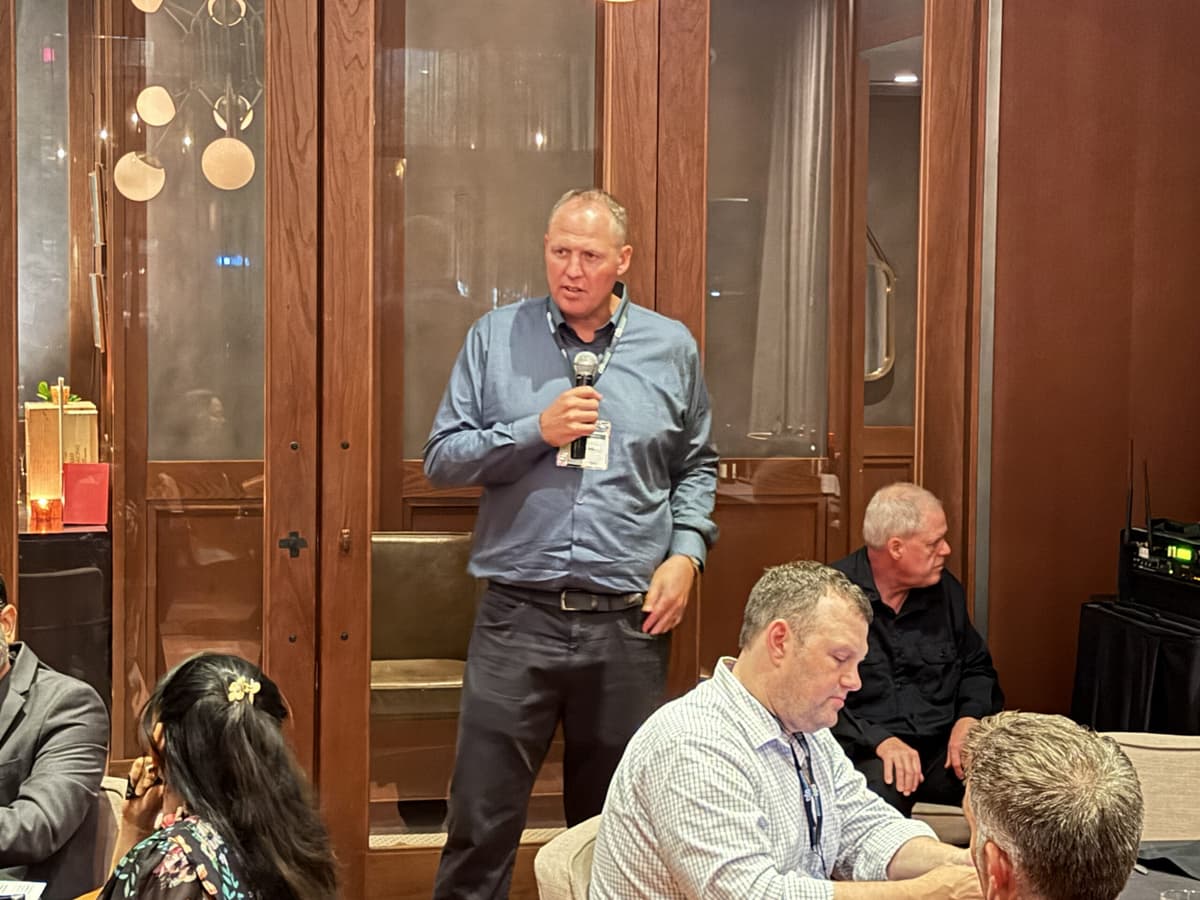
Nick Dobbins, VP, Solution Engineering at Informatica from Salesforce, leads the roundtable discussion on preparing enterprise data for AI that can take action.
Beyond Chatbots: Is the Data Ready for AI to Act?
The discussion started with a shift many enterprises are now navigating: moving beyond AI that answers questions to AI capable of taking action.
Executives shared how their organizations are preparing data for more action-oriented AI and, more fundamentally, how they determine whether their data is actually ready. The conversation explored what organizations measure when assessing AI readiness and what separates “good enough” data from data that can reliably support more autonomous use cases.
Nick Dobbins, VP, Data Foundations Solution Engineering at Informatica from Salesforce, facilitated the roundtable discussions and summarized key insights emerging across the tables.
For Suma Nair, Executive Director, Strategy & Program Director at JPMorganChase, that readiness starts with the fundamentals.
“A key takeaway was that becoming truly AI-ready starts with having high-quality, well-governed, accessible data. Organizations that invest in strong data foundations will be better positioned to realize AI’s full potential,” Nair said.
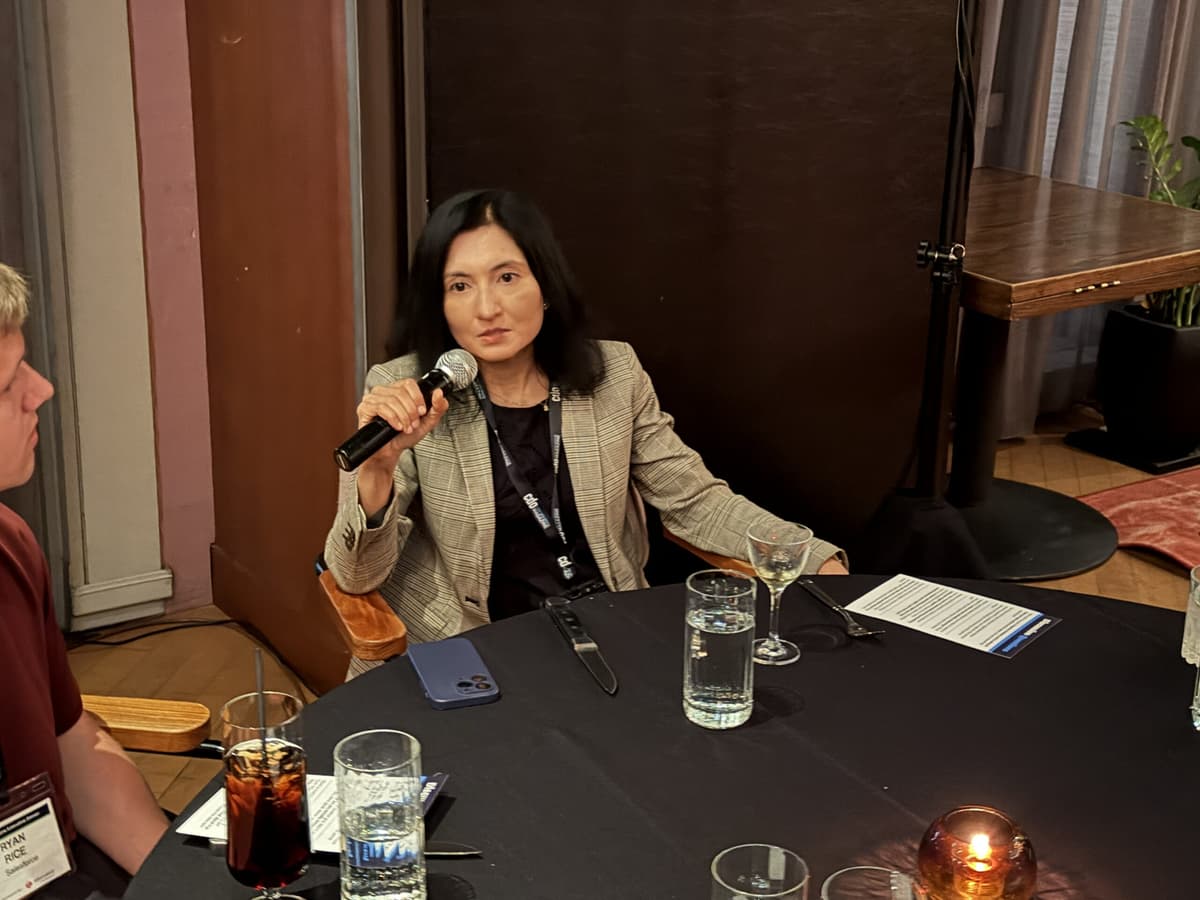
Suma Nair, Executive Director, Strategy & Program Director at JPMorganChase, shares her perspective during the discussion on preparing enterprise data for increasingly action-oriented AI.
As agents gain the ability to interact with more enterprise data, questions around security, identity, and access are also becoming more pressing. Nair pointed to managing what autonomous or on-behalf-of agents can access as an emerging challenge, while Shawn Tumanov, Head, AI Governance & Enablement at Alight, saw similar concerns across industries.
“A clear takeaway was that while we span different industries, we share the same critical hurdles around data governance and data management,” Tumanov said. “As agents interface with broader enterprise data and external LLMs, setting rigid guardrails against unintended data leakage and persistent memory exposure remains a top priority.”
Those concerns extended to determining what data agents should be able to access, for how long, and who should be responsible for those governance decisions. Participants also discussed the privacy implications of information shared with publicly available LLMs and the role data and AI leaders will play in helping their organizations adopt agents safely.
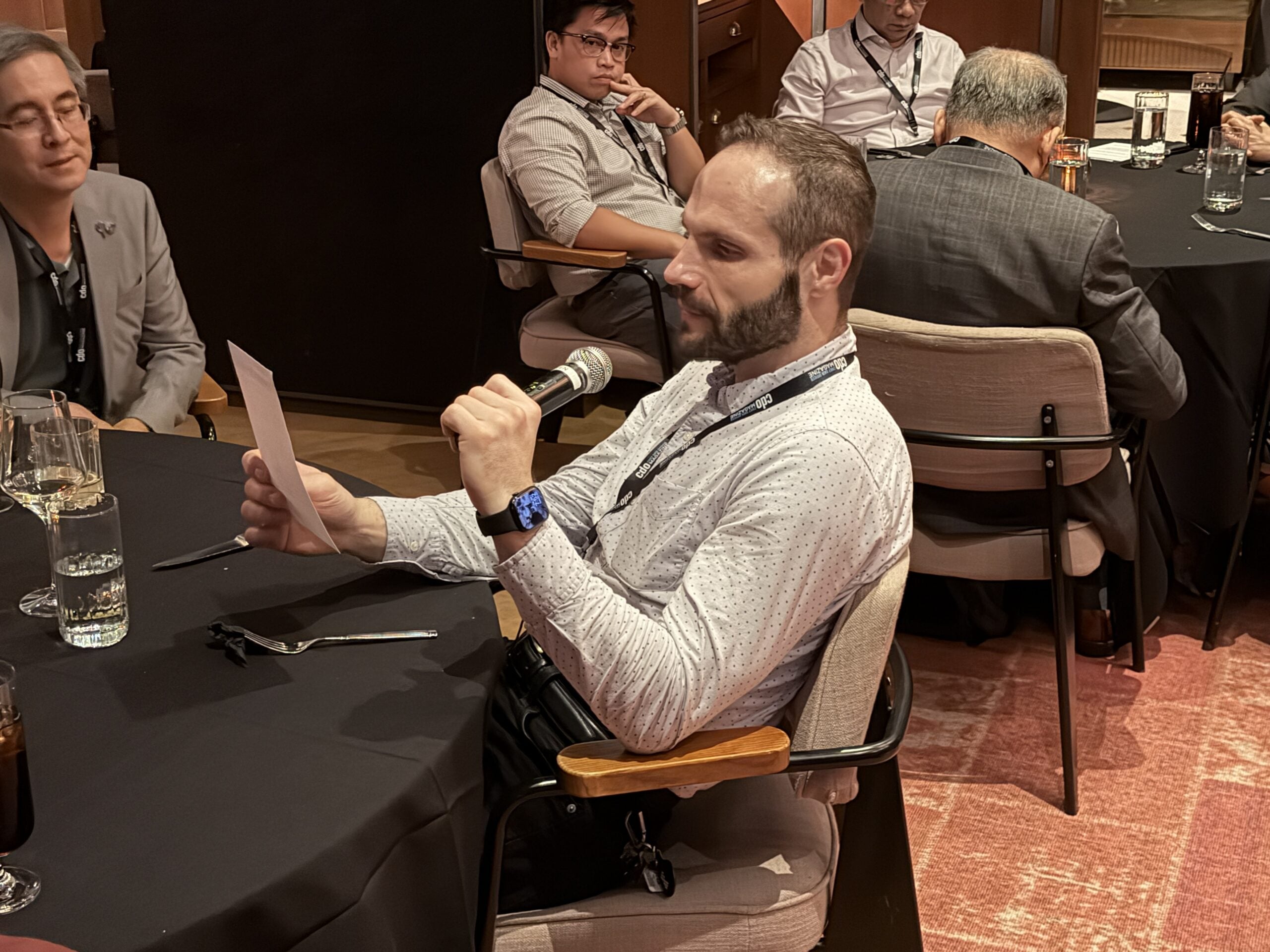
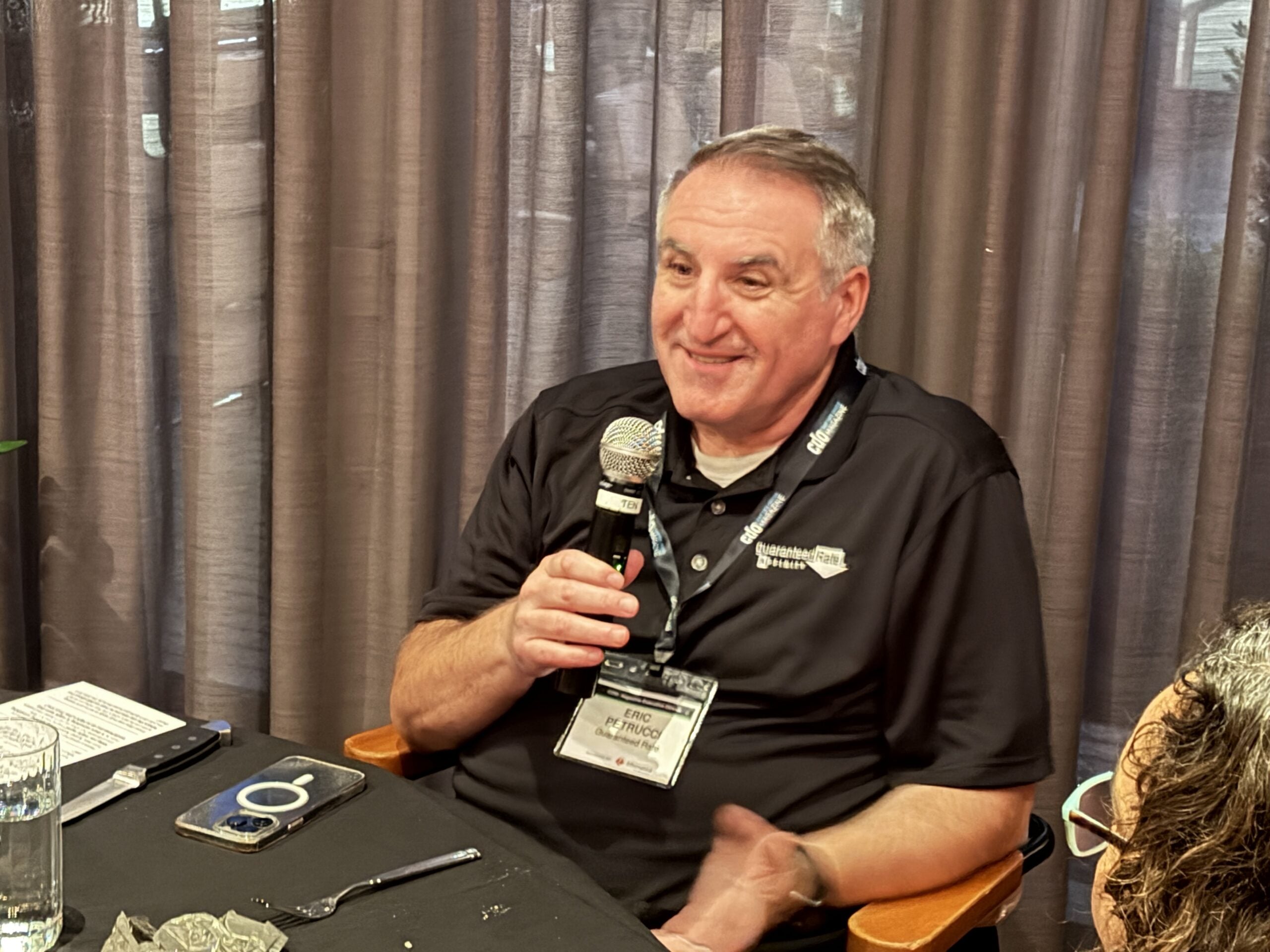
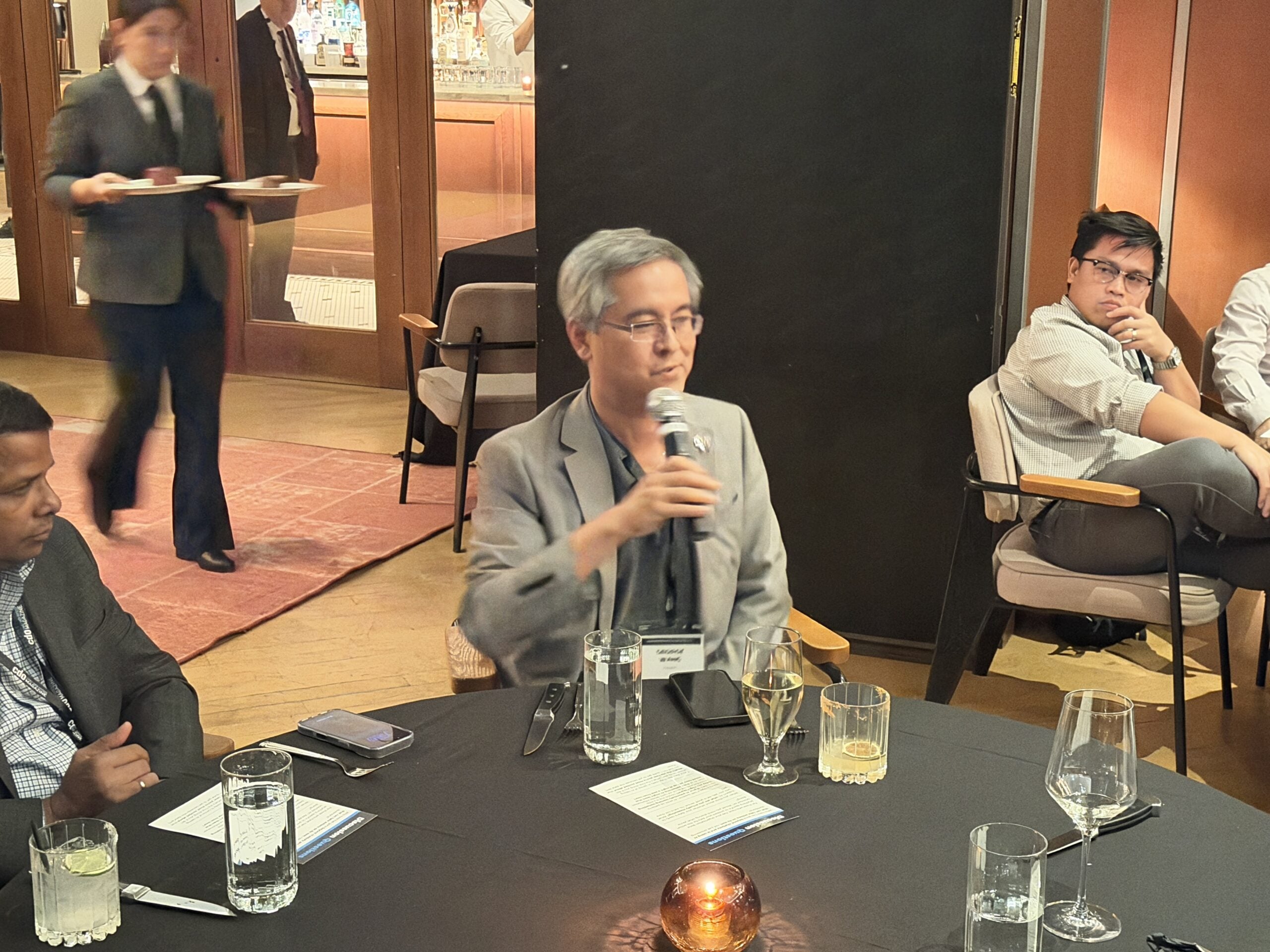
Shawn Tumanov, Head, AI Governance & Enablement at Alight, joins fellow data and AI leaders in a discussion on AI readiness, data foundations, governance, and what enterprises need to consider as AI moves from answering questions to taking action.
The conversation wasn’t limited to risk. Nair also pointed to the potential for AI in healthcare, including accelerating the discovery of treatments for serious diseases and enabling earlier detection and intervention.
The discussion ultimately returned to the question at the center of the evening: If enterprise data were truly ready for AI to take action on its own, what could organizations do next?
Special thanks to Informatica from Salesforce, for supporting the Executive Boardroom Dinner.
Executives attending the CDO Magazine Chicago Executive Boardroom Dinner included:
- Dominic Bardele, Director, Automation & Applied AI, CIBC
- Jerome Czarnik, CIO, Time Bank
- Dennis Demandaco, Business Intelligence Lead, Gallagher
- Anusha Dwivedula, Director, Product Management, Analytics, Morningstar
- Shuen Mei, VP & Director, Software and Data Engineering, Harbor Capital Advisors
- Suma Nair, Executive Director, Strategy & Program Director, JPMorganChase*
- Kal Patel, Director, Data Science, Allstate
- Eric Petrucci, SVP, Data Office, Guaranteed Rate
- Bradley Rosenberg, Manager, Enterprise Data Governance & Stewardship, Hightower Advisors
- Ravindra Salavi, VP, Data Analytics Strategy & Capability, TruStage
- Purvi Savera, former Director, Data, Alliant Credit Union*
- Kaitlyn Sawyer, Wealth Management Advisor, Merrill Lynch
- Frank Sung, VP, Data Management, Loop Capital
- Shawn Tumanov, Head, AI Governance & Enablement, Alight*
- George Wang, CIO, FinTank
- Deb Bade, VP, Customer Success, Informatica from Salesforce
- Steve Hill, Director, Solution Engineering, Informatica from Salesforce
- Ryan Rice, Account Solution Engineer, Informatica from Salesforce
- Faisal Sami, Sr. Manager, Solution Engineering, Informatica from Salesforce
- Anthony Losanno, Managing Director, CDO Magazine
*Suma Nair, Purvi Savera, and Shawn Tumanov are Global Board members.




 Elevate Your Personal Brand