
Webinar | Out of the Shadows: A Step-by-Step Approach to AI Governance Discover how to move beyond the restrictive "block or allow" debate and turn unauthorized AI adoption into a strategic catalyst for transformation.
Nominate Now | Top 30 Healthcare Innovators 2026 List Honoring the Executives Driving Measurable Transformation and Responsible Innovation Across the Healthcare Ecosystem.
CDO Magazine Unveils the 40 Most Influential Data Leaders in Finance — North America 2026 Few industries are advancing data and AI as rapidly as financial services. From real-time payments and fraud detection to risk modeling, regulatory compliance, and AI-driven customer experiences, fina...
Branded Content
Closing the Gap Between Data Strategy and Execution
How David Washo, Managing Partner, Technology and Business Transformation, and David Workman, Global Practice Leader of Data and Analytics, at AHEAD, help organizations turn data into measurable business outcomes

Written by: CDO Magazine
Updated 6:53 PM UTC, April 1, 2026
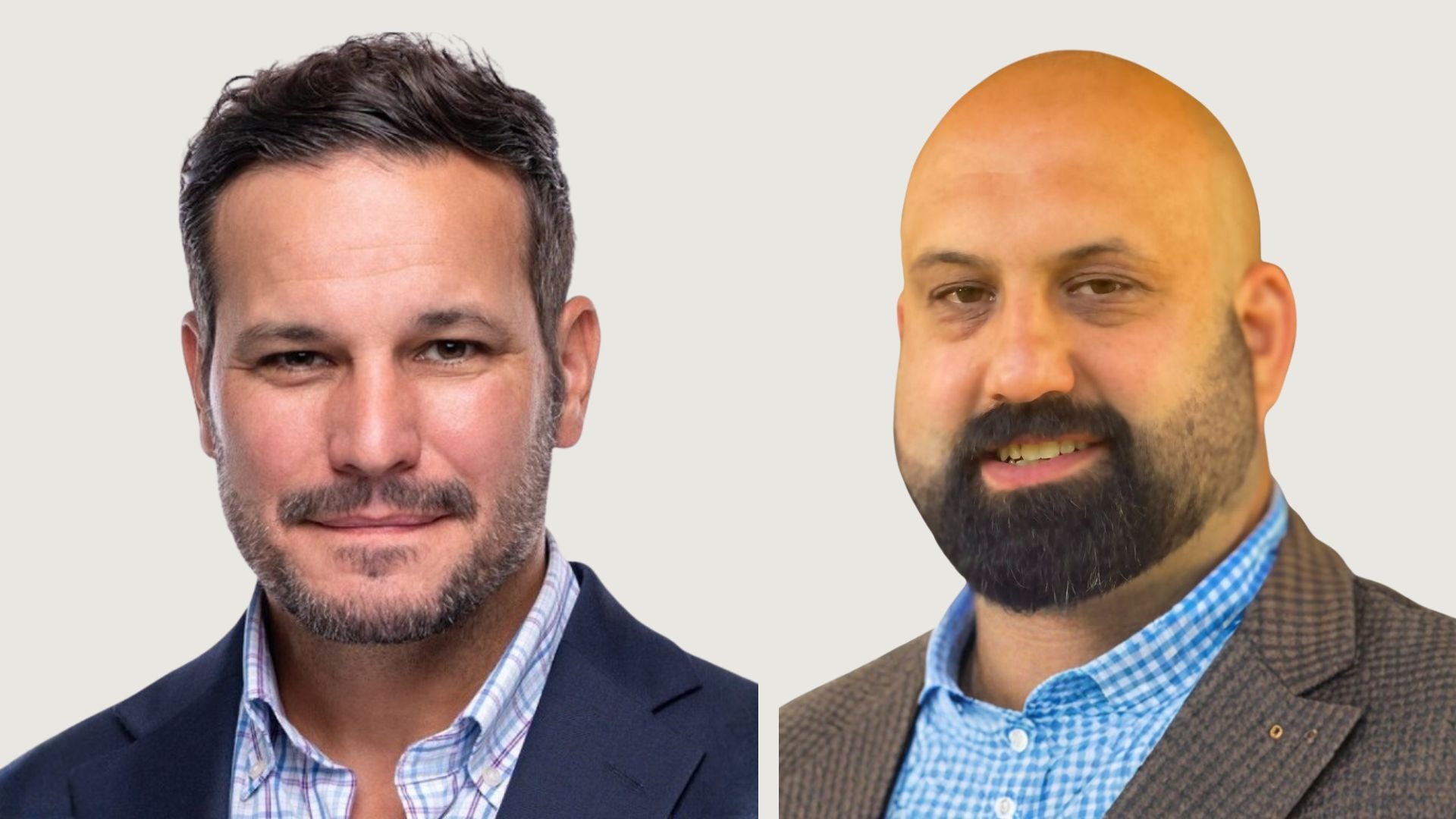
At many organizations, data strategy and execution operate in separate lanes — resulting in stalled initiatives and unrealized value. David Washo and David Workman came to AHEAD with a shared intent: to close that gap.
Both having come from traditional consulting environments, they saw firsthand the disconnect between well-defined strategy and the ability to execute at scale. By pairing executive-level advisory with deep technical execution, they’ve built a more practical model — one that connects data initiatives directly to business outcomes and sustained transformation.
In the following conversation, Washo and Workman break down how organizations can move from well-defined strategy to real execution — and what it takes to make data initiatives deliver measurable business value.
Q: You both came from traditional consulting backgrounds — what were you looking to build at AHEAD?
Washo: We both came from environments that were strong on strategy but often fell short on execution. Clients would get a clear vision — but not always the ability to carry it through. What drew us to AHEAD was the technical depth. There’s real engineering, architecture, and platform strength here. That allows us to define the strategy and actually deliver it.
Workman: That combination is rare. Strategy only works if it’s grounded in what can be built, scaled, and sustained.
Q: When you’re sitting with a CIO, CDO, or COO, how do you approach the conversation?
Washo: We start with where they are today and where they want to be — but more importantly, what’s getting in the way. Most conversations jump too quickly to solutions. We focus on the real problem — where decisions break down or value is lost.
Workman: We don’t lead with tools. If you focus on the outcome, the right path becomes much clearer.
Q: What’s a common failure pattern you see in data and AI initiatives?
Workman: Organizations avoid the foundational work. That means alignment on data definitions, data quality, and ownership — along with putting a real operating model in place. In practice, that shows up as different parts of the business using the same data in different ways, or not trusting it at all. Once that trust breaks down, everything slows — analytics, reporting, and decision-making.
Washo: We also see teams trying to do too much at once. The better approach is focusing on a small number of high-value use cases, solving them end-to-end with trusted data, and then expanding from there. Done right, each success builds momentum. Done poorly, you end up with a lot of activity and very little impact.
Q: What does “good” actually look like when this is done well?
Washo: Good looks like data and analytics embedded into how the business operates — not separate from it. You’re consistently answering important questions with confidence, and those answers are actually being used to make decisions — not debated.
Workman: And it’s measurable. You can point to improved forecasting accuracy, reduced operational friction, or better visibility into performance. It’s not theoretical — the business is running differently because of it, and that impact is repeatable and scalable.
Q: How do the two of you work together in a client engagement?
Workman: I lead the data and analytics execution — engineering, architecture, governance. Washo: I focus on the business and technology transformation — aligning executives to outcomes. We operate together from the start—strategy and execution are shaped in parallel.
Q: There’s a lot of noise around AI right now. What’s your point of view?
Workman: AI is real, and it’s transformative — but most organizations aren’t ready to fully capitalize on it yet.
Washo: There’s a lot of confusion in the market. On one side, you have productivity gains and automation. On the other, you have true business transformation driven by AI. The real opportunity is applying AI to an organization’s internal data — building capabilities that can support or automate decision-making.
Workman: But that only works if the data is reliable. If the foundation isn’t there, AI will amplify the problem. Washo: A simple example is inventory optimization — using AI to drive ordering and supply decisions. It’s powerful, but only if the data can be trusted.



 Elevate Your Personal Brand