
CDO AI Forum – Chicago – Westin Chicago River North – June 22, 2026 Join top AI and Data leaders in Chicago to explore the strategies, governance, and innovations driving enterprise performance. Connect, learn, and gain actionable insights — reserve your seat today.
The State of AI Reliability: Why Trust Is Becoming the Biggest Barrier to Scaling AI AI adoption is accelerating across the enterprise, but reliability is lagging. In a new research report, The State of AI Reliability: Perspectives from Data & AI Leaders, CDO Magazine, in partnership...
CDO Magazine Announces the Top 30 Healthcare Innovators 2026 Across healthcare, AI has moved from experimentation to enterprise execution. CDO Magazine recognizes the Top 30 Healthcare Innovators 2026 who are turning that shift into measurable impact. This year...
Artificial Intelligence
Inside JPMorganChase’s Data for Good Hackathon: How CDO Mark Birkhead Builds Business-ready AI Talent

Written by: Pritam Bordoloi, Senior Reporter, CDO Magazine
Updated 2:16 PM EDT, April 2, 2026
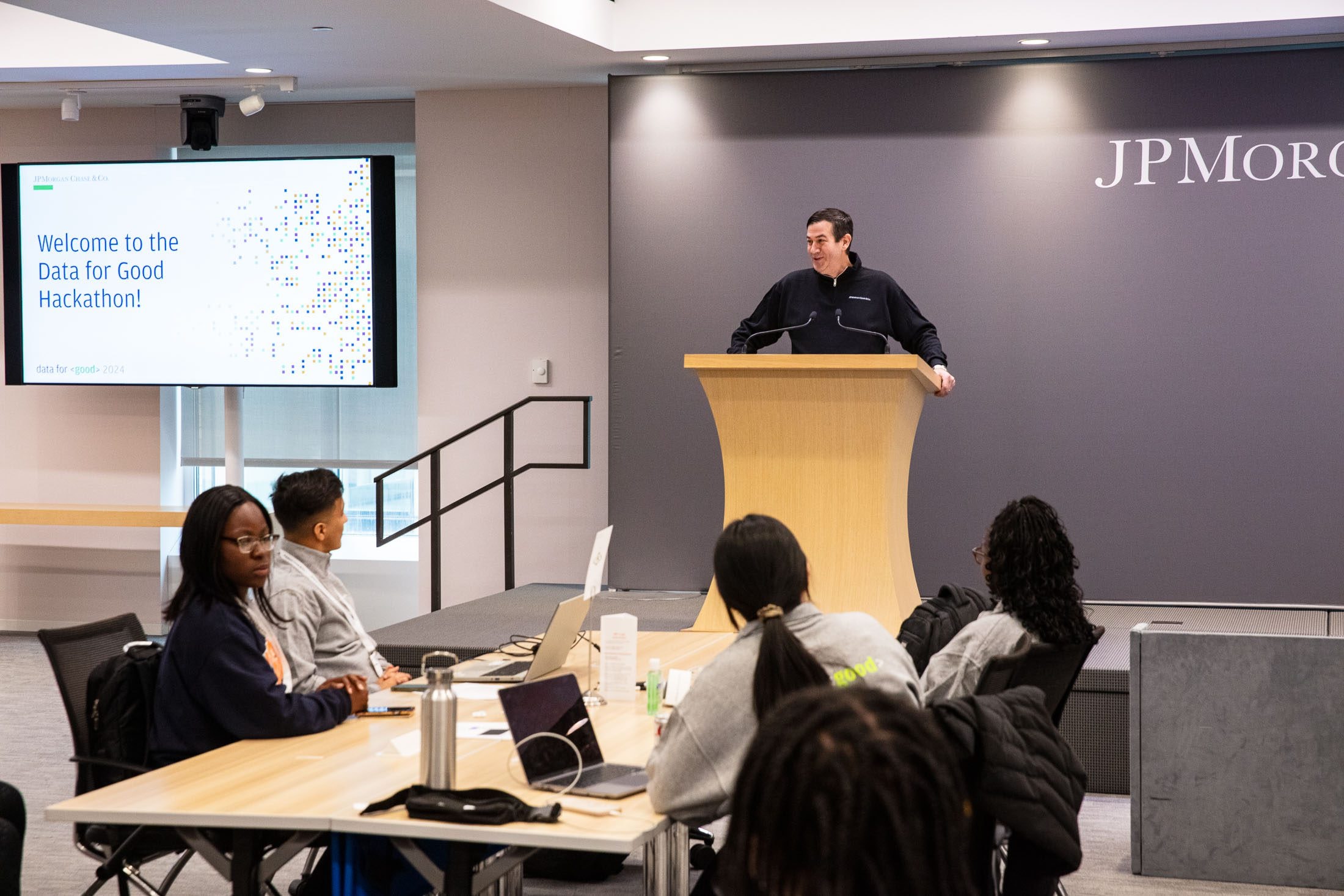
Mark Birkhead, Firmwide Chief Data Officer at JPMorganChase, delivers the opening session.
Building data, analytics, and data specialist talent, and ensuring they’re ready for how AI will transform the financial landscape, is no longer just a hiring challenge. It’s an enterprise capability challenge.
For Mark Birkhead, Firmwide Chief Data Officer at JPMorganChase, the priority isn’t simply finding strong data scientists. It’s developing talent that can design, build, and operate AI solutions in governed, high-stakes, highly regulated environments from day one. That focus helped shape the firm’s Data for Good hackathon.
The initiative goes beyond model-building. It gives early-career talent a realistic view of what “enterprise AI” actually requires: strong data foundations, clear accountability, disciplined governance, and solutions that can be deployed and sustained. Participants are expected to think end-to-end, using modern approaches such as agentic AI where appropriate, along with data products, reusable components, and robust tooling, so their work can stand up in real-world environments, not just demos.
In Birkhead’s view, this is where one of the biggest gaps lies. The industry has no shortage of technical skill. What’s rarer is the ability to deliver AI responsibly at scale across data, platforms, controls, and business outcomes.
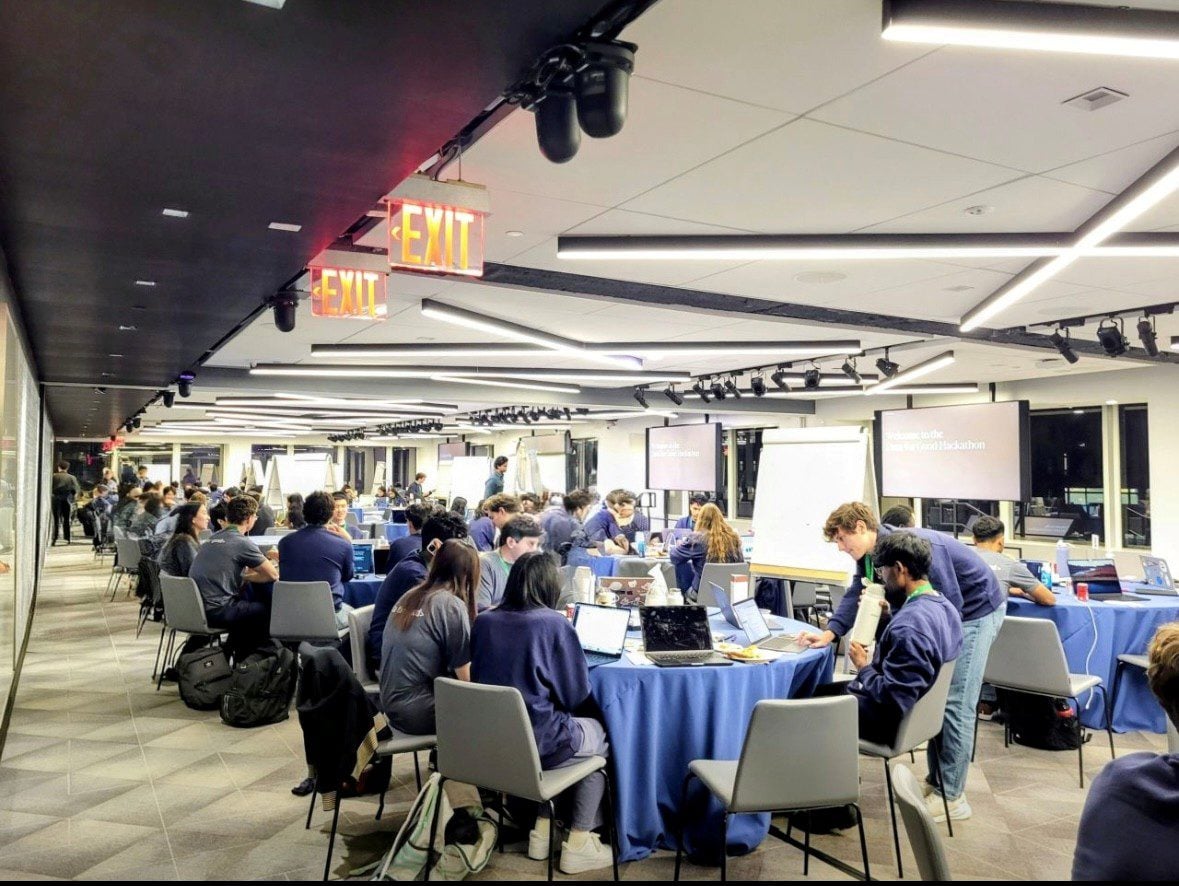
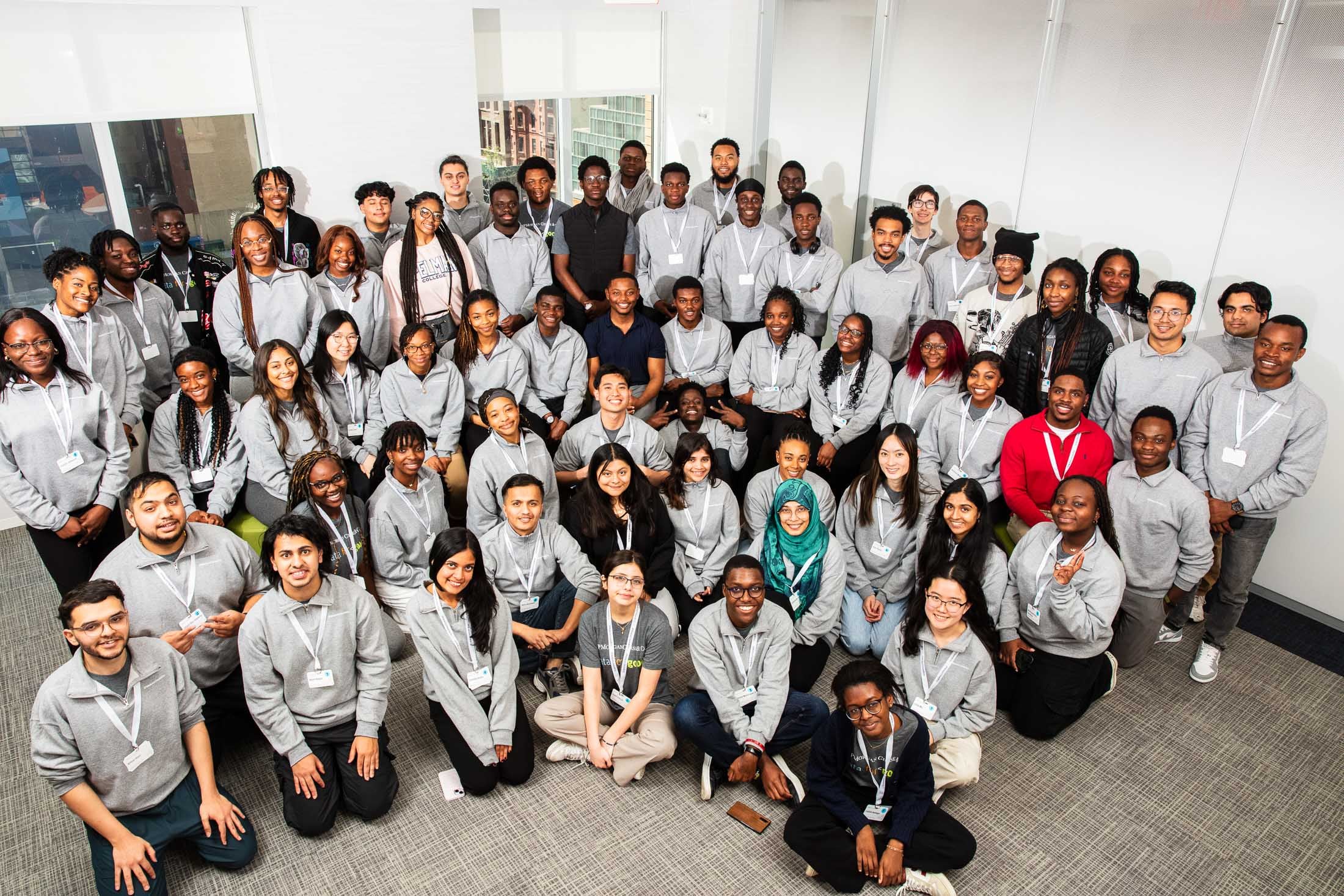
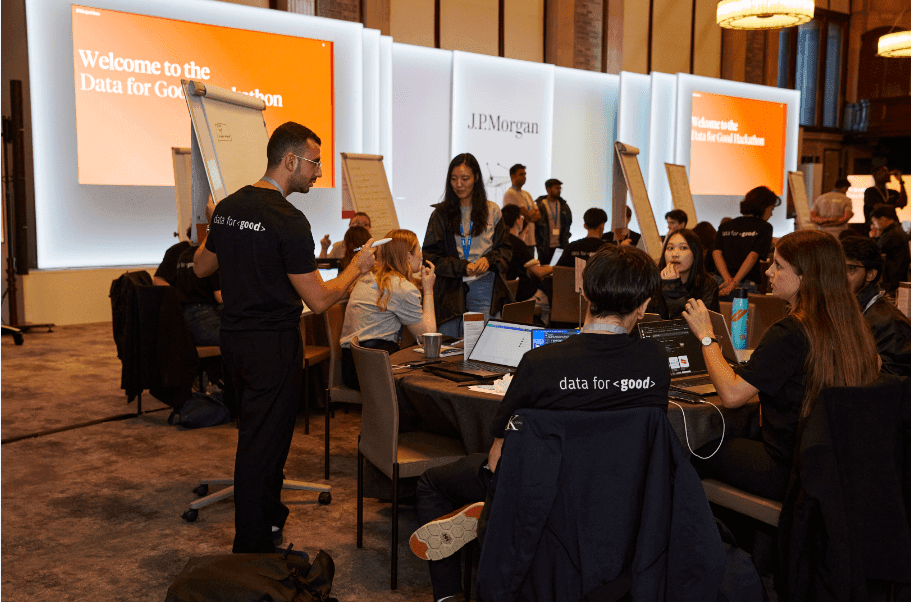
Data for Good is designed to help close that gap. It also broadens the definition of “AI talent” beyond analytics alone, attracting students and early-career builders across data science, data management, data governance, and data product delivery, because AI readiness is a team sport.
In this conversation, Birkhead explains how the initiative came together, what it reveals about the evolving roles of data scientists and data specialists, and why purpose-driven, hands-on experience is becoming essential in growing the next generation of talent.
Edited Excerpts
Q: Data science roles have evolved significantly over the past decade. From your perspective, how has the profile of a successful data scientist changed, and what does that mean for organizations building AI teams today?
The most effective data scientists today combine deep AI/ML expertise with domain fluency, strong data judgment, and the ability to operate in governed enterprise environments. It’s not only about building a model — it’s about understanding data quality and lineage, applying controls, integrating into production platforms, and translating research into safe, measurable impact. For organizations, that means building multidisciplinary teams — data science, data management, governance, and product — and aligning them to a coherent operating model so great ideas reliably become durable AI capabilities.
Q: The “Data for Good” hackathon was launched four years ago as a counterpart to programs like “Code for Good.” What inspired you and JPMorganChase to create a dedicated initiative for AI and data talent?
Data for Good is rooted in our values: it’s a way to give back while engaging the next generation of D&A talent with real, mission-driven challenges. We also saw an opportunity to broaden how we develop “AI-ready” professionals — not just recruiting analytics specialists, but bringing together students who are interested in data, governance, and product delivery in a business context. Even when participants don’t join the firm, the field benefits when more practitioners learn what responsible, scalable AI delivery actually looks like.
Q: The hackathon brings students together to solve real data challenges for nonprofit organizations within a 24-hour window. Why connect the event to social impact rather than make it purely a technical competition?
Social impact is where motivation with purpose — and it also reinforces product thinking. Nonprofits need solutions that are usable and sustainable after the event, not just something that wins on a leaderboard. That pushes teams to prioritize clarity, reliability, and responsible use. It also attracts purpose-driven talent who care about ethics, safety, and explainability alongside technical excellence.
Q: The program has grown from a single virtual event to three annual hackathons, including a dedicated Historically Black Colleges and Universities (HBCU) edition. What has that expansion revealed?
It reflects strong demand for hands-on experiences where students can work with real data, real constraints, and real mentorship. The expansion of our hackathon programs demonstrates our belief data and analytics talent is everywhere — and access and opportunity matter. Broadening participation strengthens the talent pipeline and the profession by helping more students build confidence and experience in realistic enterprise problem-solving.
Q: The hackathon also serves as a gateway into internships and the firm’s two-year data science program. How does this help build a long-term AI talent pipeline?
It allows us to see how candidates operate in realistic settings — how they collaborate, handle ambiguity, and make tradeoffs under time pressure. We’ve also expanded pathways beyond classic data science into data management, data governance, and data product development — because those capabilities are essential to AI readiness and data modernization strategies that are becoming a central part of how organizations operate. Continued university engagement helps reinforce these skills over time, not just during recruiting season.
Q: Each event attracts thousands of applicants for roughly 150 seats. What tends to stand out in candidates with strong potential for enterprise AI roles?
Standout candidates pair curiosity with rigor, and have an end-to-end mindset. They ask about data access, governance, lineage, deployment, and responsible use — not just which algorithm to use. They think beyond model metrics to build explainable, business-oriented solutions. They collaborate well, stay resilient in time-boxed settings, and show a product mindset by designing outputs that nonprofits can operate and maintain.
Q: Technical skills alone are not enough. What soft skills or leadership qualities matter most for the next generation of AI builders?
We’re at an important inflection point in the field where capability, compute, and investment in AI are converging quickly. We’re especially excited about AI agents and how they will change workflows and decision-making. With that pace of change, there won’t always be a playbook — so communication, critical thinking, and sound judgment matter as much as technical depth. The next generation needs to be able to explain risks and tradeoffs, partner effectively across disciplines, and navigate ambiguity responsibly.
Q: Programs of this scale require collaboration. What partnerships make “Data for Good” possible?
Our nonprofit and university partnerships provide authentic challenges and yield solutions that can extend beyond the hackathon. Our experienced JPMC practitioners co-coach student teams and bring enterprise-grade practices into the experience — covering not only modeling, but also data foundations, platform constraints, safety, explainability, and the realities of delivering something sustainable.
Q: Students often associate cutting-edge AI work with technology companies rather than financial institutions. How do you help candidates understand the scale and complexity of data challenges in banking?
As a bank, we have some of the most complex, high-impact analytics problems in the world. We operate in almost 100 countries, across consumer businesses like Chase and across investment banking and asset and wealth management. Globally, payments are a major capability — we move more than $12 trillion globally each day. At that scale, we manage an enormous data estate — structured and unstructured, including voice and video. It’s an invaluable strategic asset, but only if we use it correctly, securely, and responsibly.
Q: Looking ahead, AI-ready data, data products, and new roles. How do you see “Data for Good” evolving?
AI isn’t only transforming companies; it’s transforming the nonprofits we partner with and the communities they serve. So we’ll keep increasing the focus on AI readiness while continuing to broaden participation across disciplines. I’m excited to see how upcoming cohorts use LLMs and coding tools to solve their challenges, while also learning what it takes to deliver results that last.




 Elevate Your Personal Brand